


Power Factor Compensation for Power Supply and Distribution System
I Introduction to Power factor
(1) Reactive power is the electric power that establishes and maintains the magnetic field in electrical equipment through the exchange of electric and magnetic fields in a circuit. It does not do work externally but converts electrical energy into other forms of energy. All electrical equipment with electromagnetic coils must consume reactive power to establish a magnetic field. The rotor magnetic field of an electric motor is established by obtaining reactive power from the power source. Transformers also require reactive power to generate a magnetic field in the secondary coil of the transformer and induce voltage in the secondary coil. Therefore, without reactive power, the motor will not rotate, the transformer cannot change voltage, and the AC contactor will not pull in. Under normal circumstances, electrical equipment not only needs to take in active power from the power source but also reactive power from it. If the reactive power in the power grid is insufficient to meet the demand, the electrical equipment will not have enough reactive power to establish a normal electromagnetic field. As a result, these electrical devices cannot operate at their rated conditions, and the terminal voltage of the electrical equipment will drop, thereby affecting the normal operation of the electrical equipment. Capacitive reactive power is capable of compensating for the loss of inductive reactive power due to reactive power exchange, effectively balancing the reactive power. The reactive power supplied by generators and high-voltage transmission lines is far from meeting the needs of the load. Therefore, some reactive power compensation devices need to be installed in the power grid to supplement the reactive power and ensure the users' demand for reactive power. This is the reason why the power grid needs to install reactive power compensation devices.
(2) Electrical loads in the power grid, such as motors and transformers, are classified as resistive inductive loads. There exists a considerable phase difference between the phasors of voltage and current in inductive loads, which is usually described as the cosine of the phase Angle. It is named power factor as well. Power factor is a relatively important indicator reflecting the rational use of electrical equipment by users, the utilization rate of electric energy and the management level of electricity usage .
Power factor is classified into:
① natural power factor
② instantaneous power factor
③ weighted average power factor.
The natural power factor refers to the power factor of electrical equipment when reactive power compensation devices are not installed, or in other words, it’s the power factor that the electrical equipment inherent itself. The value of natural power factor primarily depends on the load nature of the electrical equipment.
For resistive loads (such as incandescent lamps and resistance furnaces), the power factor is relatively high, equal to 1; For inductive loads (such as electric motors and welding machines), the power factor is relatively low, less than 1.
Instantaneous power factor is the power factor that measured at a particular moment by a power factor meter. This value changes over time and varies depending on the type of electrical equipment, the load size, and the voltage level.
The weighted average power factor refers to the average value of the power factor over a defined period of time.


II Methods of Power Factor Compensation
In power systems, there are many methods for compensating reactive power, including the use of synchronous generators, synchronous motors, synchronous condensers, shunt capacitors, and SVCs (Static VAR Compensators), among others. In many engineering power supply systems, due to the prevalence of inductive loads, the total equivalent load tends to be inductive. In such cases, shunt capacitor banks are commonly used to compensate for reactive power and improve the power factor. When power is supplied by an onsite generator set, an automatic excitation voltage regulator is typically installed to automatically adjust both reactive power and voltage.
Depending on the installation location, shunt capacitors can be used for three types of compensation:
① Centralized compensation: installing the capacitor banks at a central location on the bus-bar to improve the overall power factor of the substation and reduce reactive power losses in the feeder lines.
② District compensation: Installing capacitor banks separately on the bus-bars in areas with lower power factors for zonal compensation yields better compensation effects. However, the drawback is that the compensation range is smaller compared to centralized compensation
③ Local/On-spot compensation: Installing capacitor banks near the load equipment for reactive power compensation directly at the site. This method is particularly effective for inductive equipment, such as asynchronous motors and lighting circuits primarily consisting of fluorescent lamps. The advantage of this approach is that it improves the power factor of the supply circuit and enhances the voltage quality of the electrical equipment itself. However, the drawback is that capacitor banks are decentralized placed, leading to a higher maintenance workload. With the improvement of domestic self-healing capacitor technology and production standards, conditions have been created for the promotion of local compensation methods.
III Improve Power Factor
Option 1: Shunt Capacitor
The shunt capacitor improve the power factor on inductive loads. In inductive load circuits, the current lags behind the voltage. By applying for shunt capacitors which generate capacitive branch current of leading voltage, offsetting the current that lags behind the voltage, reducing the total current of the circuit, thereby reducing the impedance Angle and improving the power factor.
Option 2: Series Capacitors
There is another option to improve the power factor by series capacitors.
But series capacitors reduce the total impedance of the circuit and increase the total current, thereby increasing the burden on the power supply. Therefore, the method of series capacitors is not adopted to improve the power factor usually.
IV Practical Application of power factor improvement
With the promotion of energy conservation and emission reduction, industrial and chemical plants all have their own waste heat power generation and power supply and distribution systems. The factory's power supply and distribution system operates in parallel with the external power grid, which enhances the safety and reliability of the factory's power supply and distribution system. Meanwhile, various inductive loads consume a large amount of reactive power in the system. Therefore, reactive power compensation and power factor regulation are of great significance.
Reactive power compensation in a factory involves using equipment like capacitors to balance the reactive power required by inductive loads, such as motors, to improve power factor, stabilize voltage, and reduce energy losses.
This compensation is applied in the factory's power supply and distribution system, often at or near the load source, to prevent unnecessary reactive power from traveling through transformers and wiring, which reduces energy costs and improves the overall efficiency and stability of the system.
V Benefits of reactive Power compensation
Improved power factor: This is a measure of how effectively electrical power is being used, and compensation helps to bring the power factor closer to 1.
Reduced energy costs: By improving the power factor, the power compensation help with lower electricity bills, as the factories often being penalized for low power factor due to inefficient power usage.
Enhanced voltage stability: Compensation helps maintain a stable voltage level across the factory's internal grid.
Increased power supply capacity: Reducing the reactive current flow frees up capacity in transformers and distribution lines, allowing them to handle more real power.
Reduced energy losses: Less reactive current circulating through the factory's wiring means less energy is wasted as heat, leading to significant power savings.
Extending lifespan of equipment: Reducing losses and improving voltage stability can lead to less wear and tear on equipment and power supply system elements.
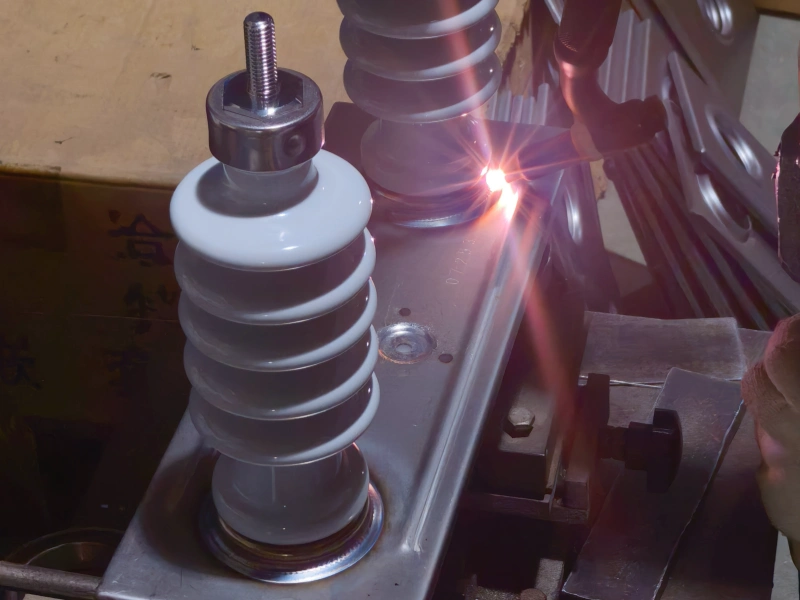
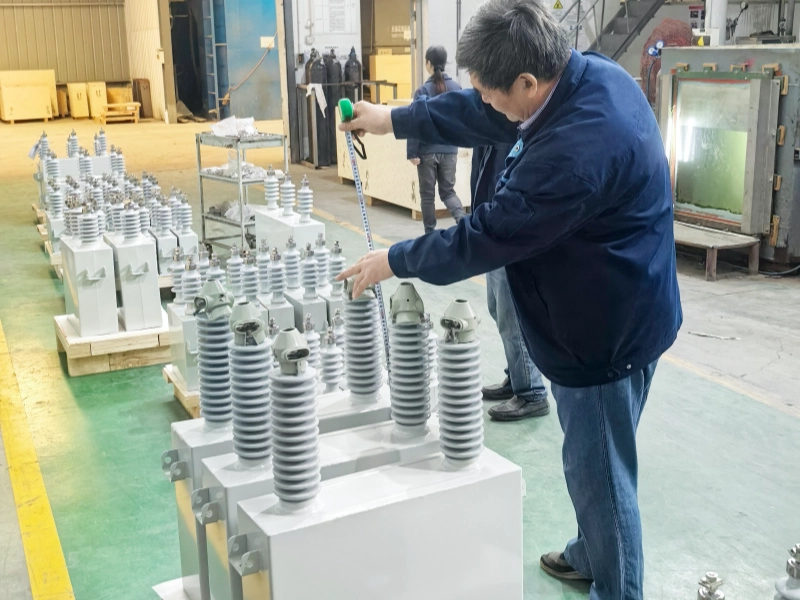
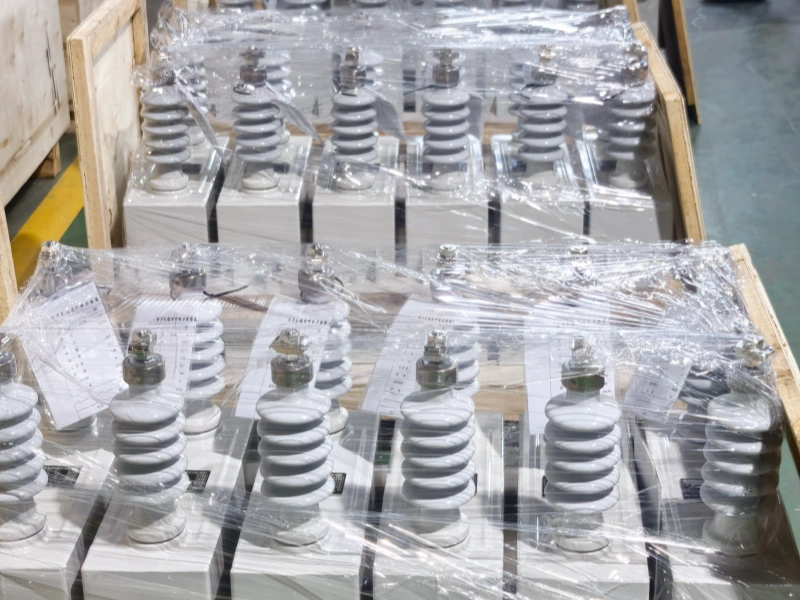
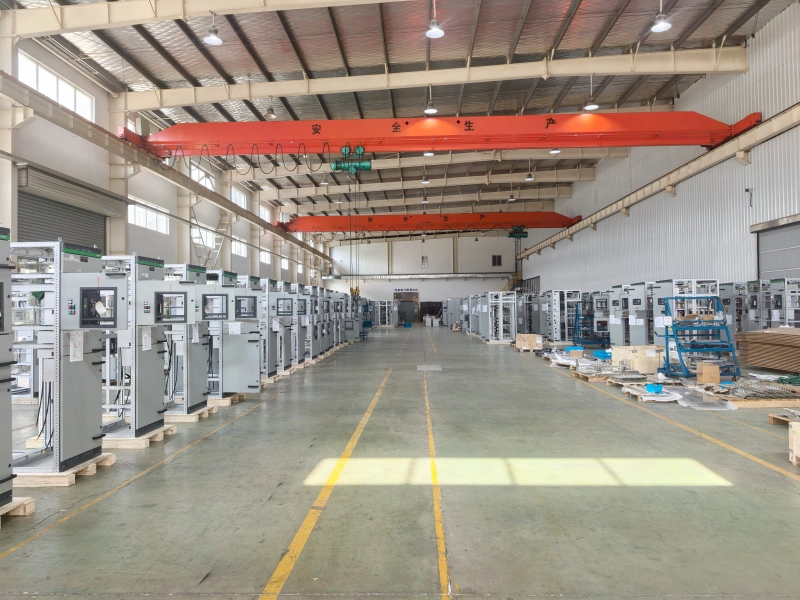
High-standard workshop & quality inspection system





Related product

-
4KV~14KV AC Filter Capacitor 50Hz
Description
High-voltage AC filter capacitor usually used at 50/60Hz AC power system, such as being applied in harmonics filtering equipment in HVDC transmission. AC filter capacitor will be applied along with reactors and resistors which can provide with resistance path for one or multi-harmonic currents and improve the power factors.
-
High voltage Power capacitor for power quality
Flair HV power capacitors offer solutions with internally fused, externally fuses and fuseless options. Most distribution and transmission-level capacitor banks are wye connected. Our HV power capacitor ranged from 50Kvar~1000Kvar; Single phase and three phase are available;
-
Internally fused capacitor bank
Briefly, The internal fuses are micro-type protection device that inside the capacitor bank. Its core function is cut off the fault current fast and reliably when some capacitor element is short-circuited due to breakdown; Meanwhile isolating the broken capacitor element from the overall electric circuit. Thus ensuring the remained capacitor elements operate normally.
-
100Kvar~1000Kvar 3-phase HV power capacitor
The HV shunt capacitor server for the power generation, transmssion and distribution, as well as oil and gas infrastructure.
The HV shunt capacitor play a big role in power systme for enhance power quality, maximize power efficient. It’s designed to be single-phase and three-phase upon request.
-
Pulse capacitor
Application
1.Impulse voltage generator
2.Impusle current generator
3.Impulse voltage divider
4.other non-continuous pulse devices
5.Oscillating circuit, continuous pulse device
Dc-link high voltage equipment and rectifier filter device


