


Understand Frequency Characteristics of capacitors
General Instruction
This article explains the frequency characteristics of capacitors, especially capacitor used for induction heating power system and the key parameters engineers should consider when selecting capacitors for medium-frequency induction furnaces.
Why Frequency Matters in Inductotherm Capacitors?
Formula of capacitor frequency
An induction heating system normally uses a resonant circuit consisting primarily of an induction coil and a capacitor bank.
The inductotherm capacitor and induction coil exchange reactive energy periodically. The capacitor stores electrical energy in its electric field, while the coil stores energy in its magnetic field.
The approximate resonant frequency of an LC circuit can be expressed as:
Fn = 1 / (2π√LC)
- Fn= resonant frequency
- L= inductance of the induction coil
- C= effective capacitance of the capacitor bank
This relationship explains how frequency is related with the whole induction power system.
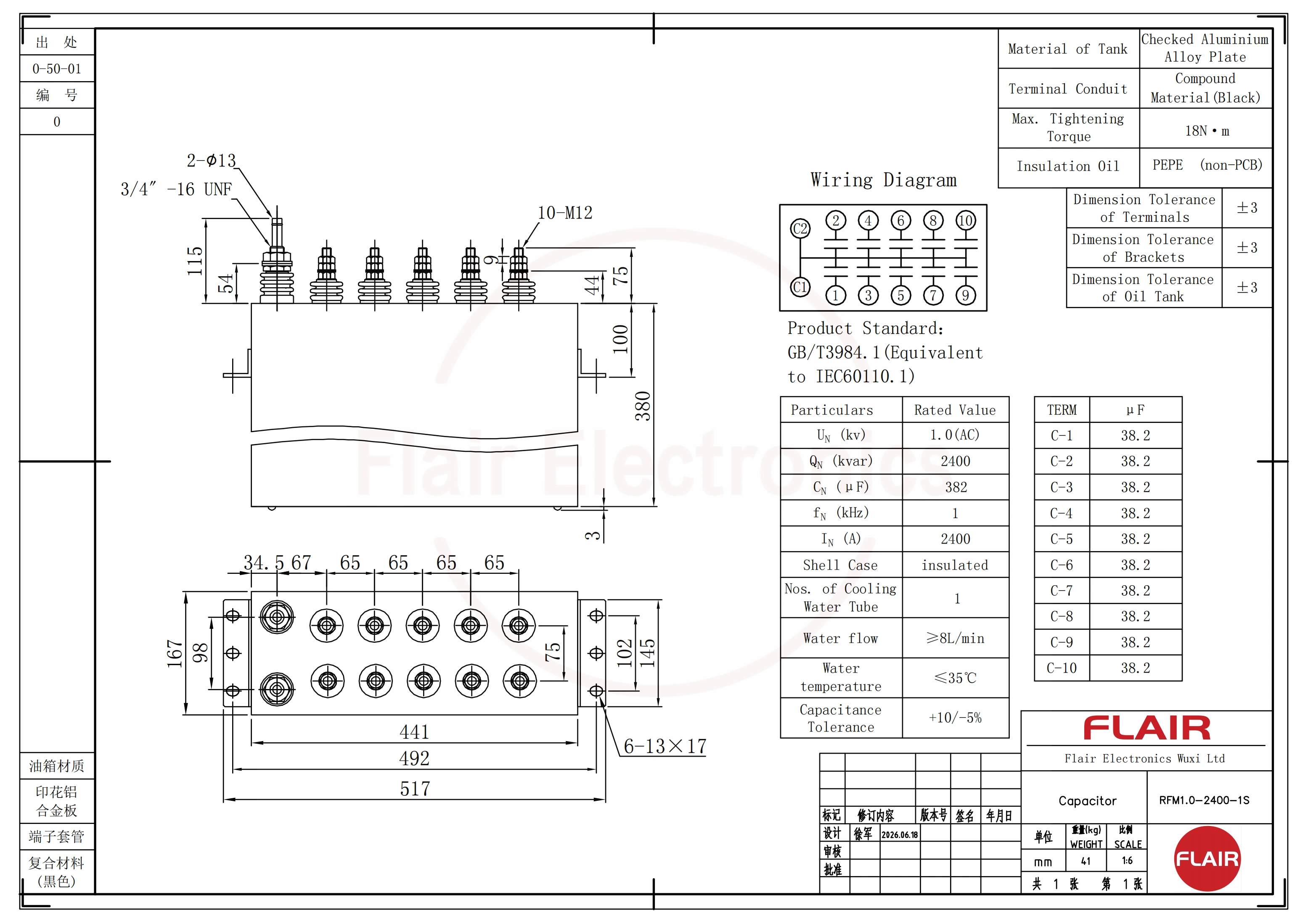
Capacitive and Inductive Characteristics Change with Frequency
As frequency increases, capacitive reactance decreases. However, because the real capacitor also contains ESL, its impedance does not continue decreasing indefinitely.
At a certain frequency, the capacitive and inductive effects interact and the system approaches resonance. The approximate self-resonant frequency can be expressed as:
fSR ≈ 1 / (2π√(LC))
Below the relevant resonance region, the capacitor exhibits predominantly capacitive behavior.
As the inductive contribution becomes significant, the impedance characteristic changes.
This concept is important when designing high-frequency or medium-frequency resonant circuits.
For induction heating systems, however, engineers should distinguish between the intrinsic self-resonance of the capacitor and the designed operating resonance of the complete induction heating circuit.
The furnace resonant frequency is determined primarily by the effective inductance and capacitance of the complete resonant circuit.
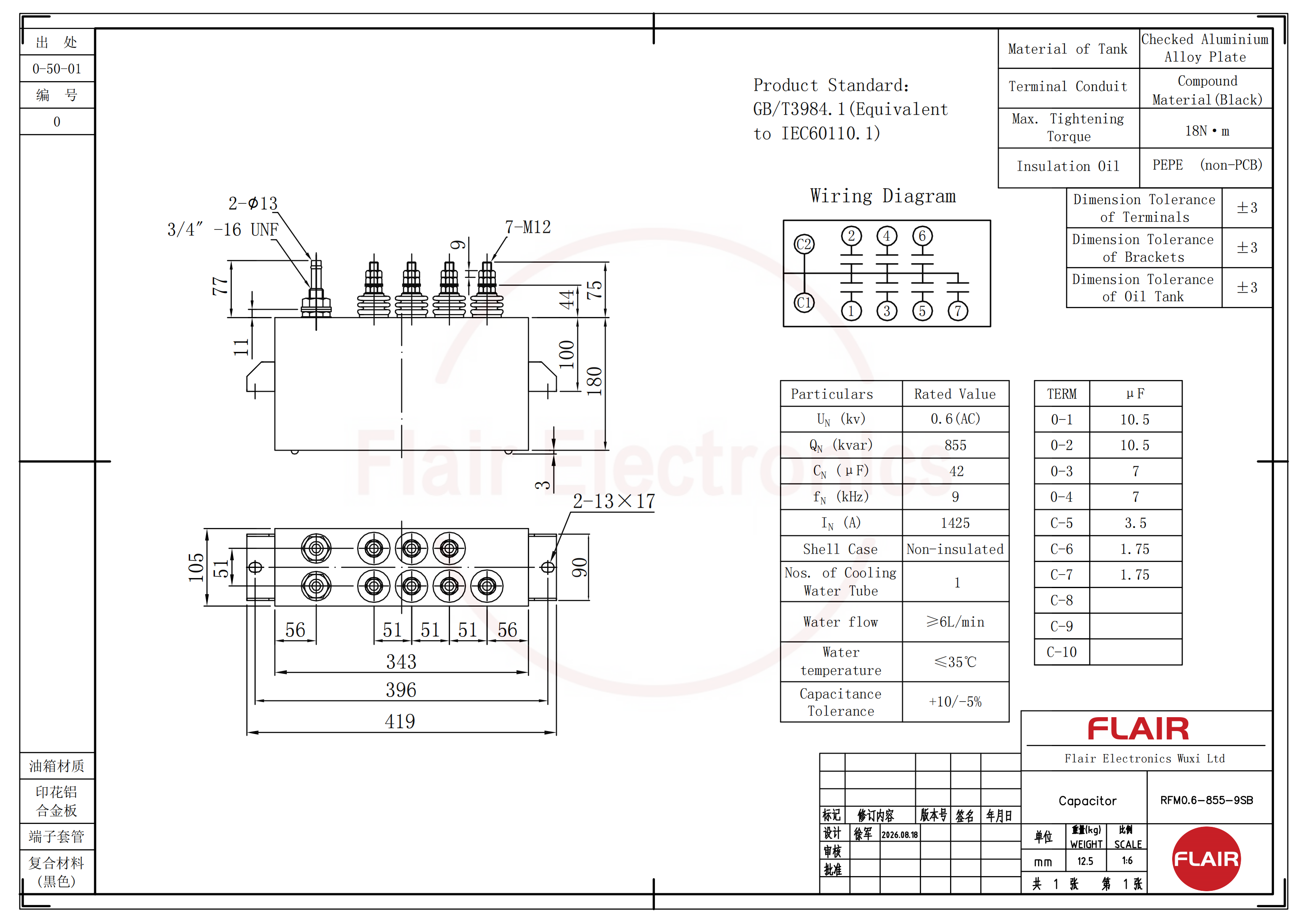
Capacitor Selection for Different Furnace Frequencies
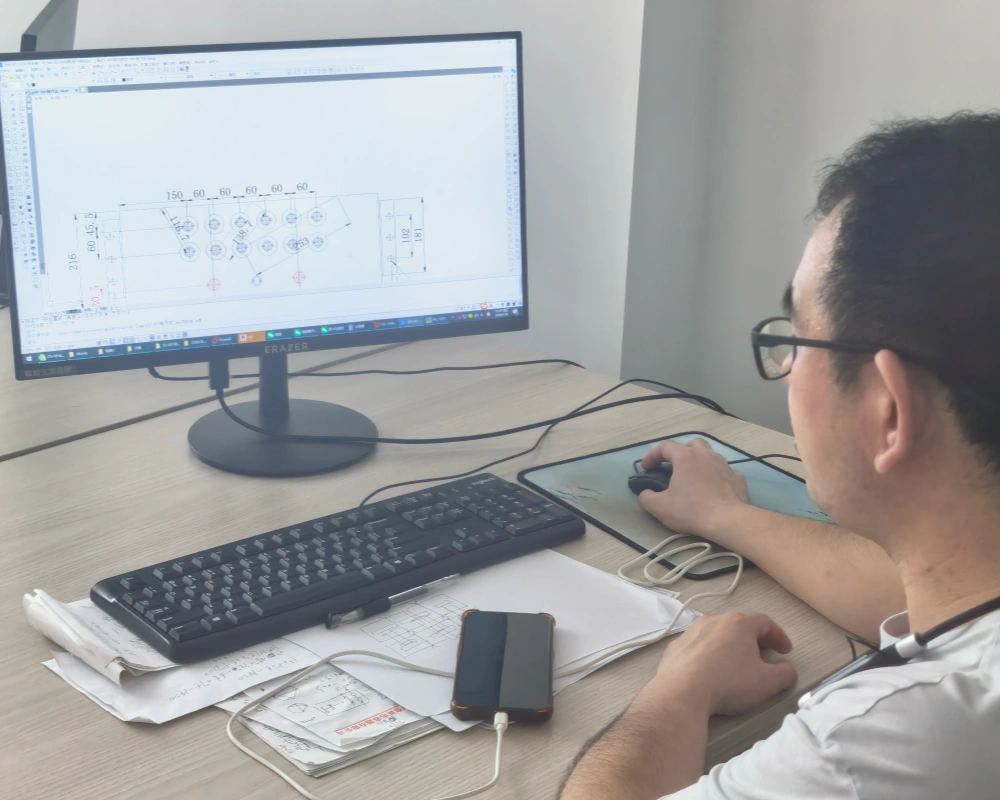
1. The capacitor selection base on furnace operating frequency
The required capacitor characteristics depend strongly on the furnace operating frequency. A lower-frequency system generally requires a different capacitance arrangement from a higher-frequency system for the same resonant power and coil inductance.
As frequency changes:
-
① capacitive reactance changes
- ② capacitor current changes
- ③ circuit impedance changes
- ④ ESR-related losses change
- ⑤ the influence of ESL becomes different
- ⑥ thermal requirements may change
Therefore, capacitor selection should be based on the actual resonant circuit parameters, rather than furnace tonnage alone.
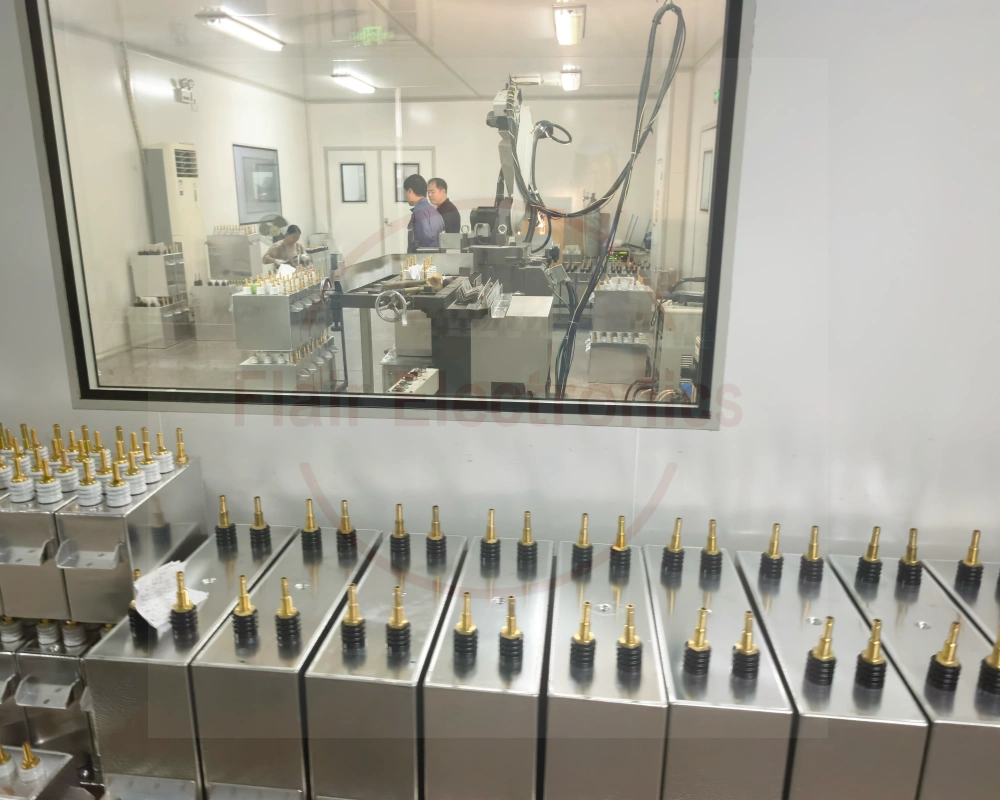
More Important information for capacitor selection:
- furnace rated power
- operating frequency
- inverter output voltage
- resonant circuit voltage
- capacitor current
- required reactive power
- induction coil inductance
- existing capacitor capacitance
- capacitor connection configuration
- cooling water conditions
Contact our team to get Technical specifications and CAD Drawings!
100hz to 20khz induction furnace capacitors
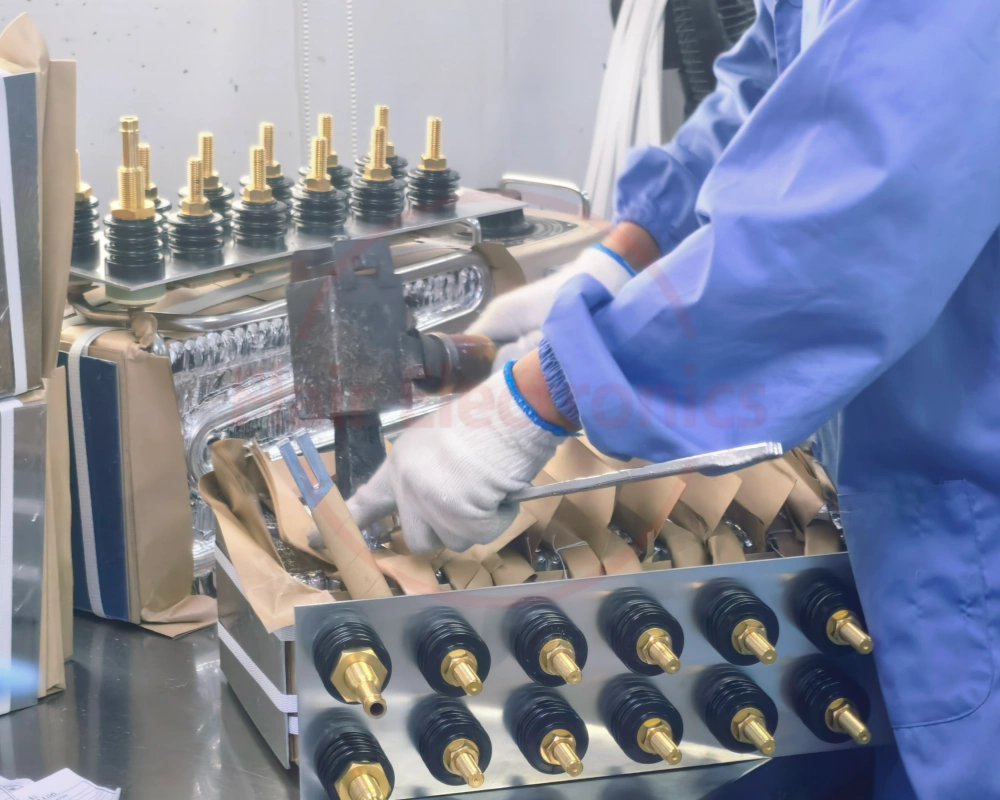
Operating within a frequency range of 100hz to 20khz, Medium-Frequency (MF) induction furnace capacitors are widely utilized for the heating, forging, and smelting machinery of both ferrous and non-ferrous metals. Compared to traditional heating methods, MF induction furnaces offer superior thermal efficiency, rapid heating rates, minimal alloy burn loss, precise temperature and metallurgical control, and exceptional environmental compatibility.
-
 Toyota
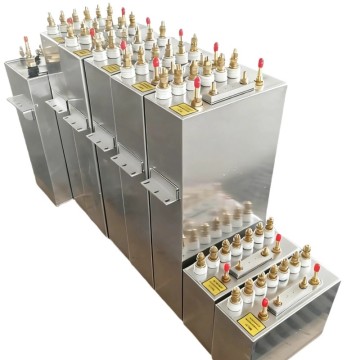
Resonant capacitor bank in medium-frequency induction heating furnace
-
 Toyota
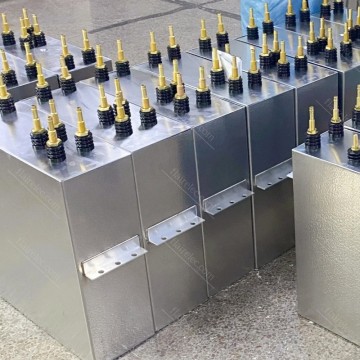
Water-Cooled Capacitor for Induction Melting Furnace
-
 Toyota
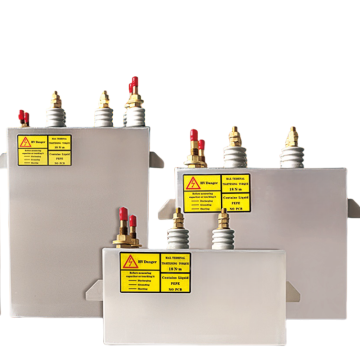
Medium Frequency Capacitor Designed For Inductive Heating Circuits
-
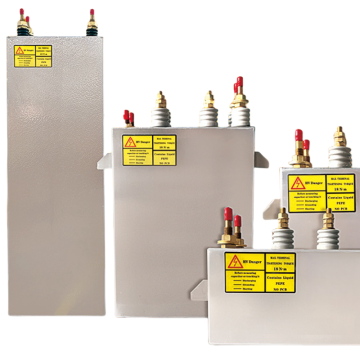 Toyota
AC water cooled capacitor for induction-heating circuit
-
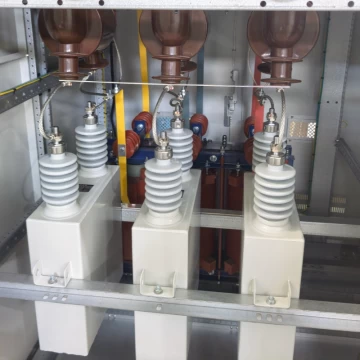 Toyota
4KV~14KV AC Filter Capacitor 50Hz
-
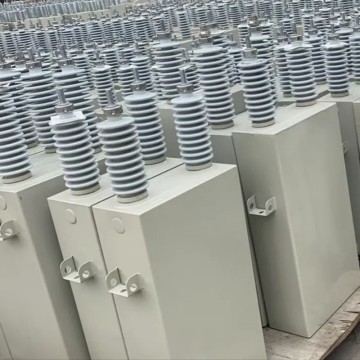 Toyota
High voltage Power capacitor for power quality
-
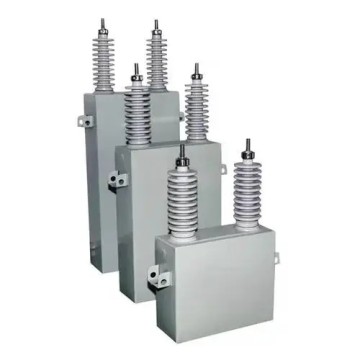 Toyota
Internally fused capacitor bank
-
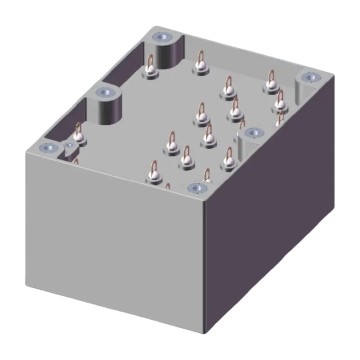 Toyota
Special capacitor bank
-
 Toyota
Ultra-high frequency capacitor of induction heating solution
-
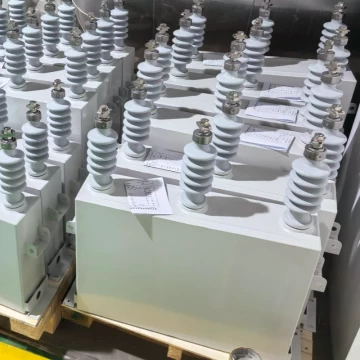 Toyota
100Kvar~1000Kvar 3-phase HV power capacitor
-
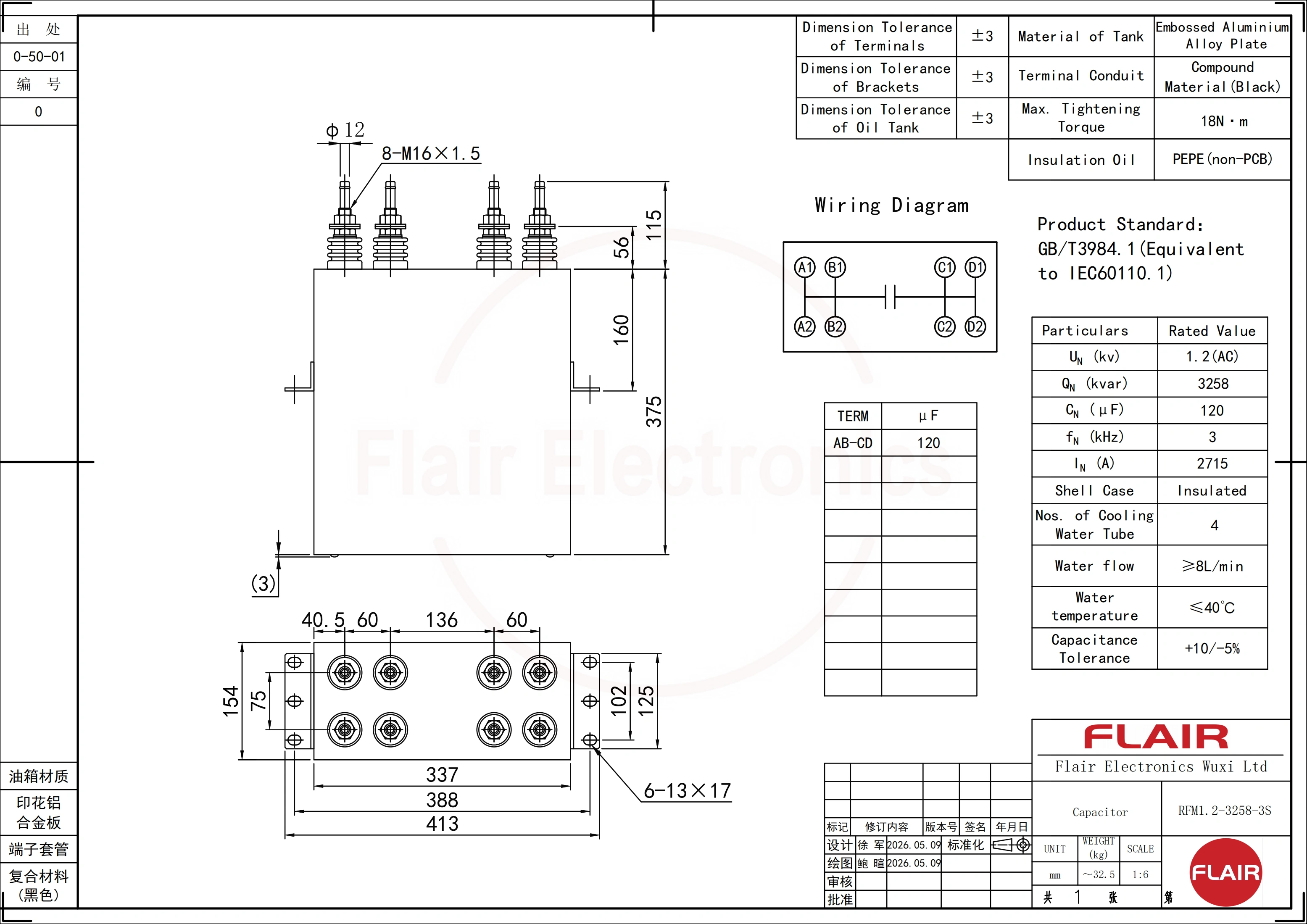 Building Supply
Capacitor Example
-
Building Supply
High Current Capacitor
-
Building Supply
Oil-filled Capacitor
-
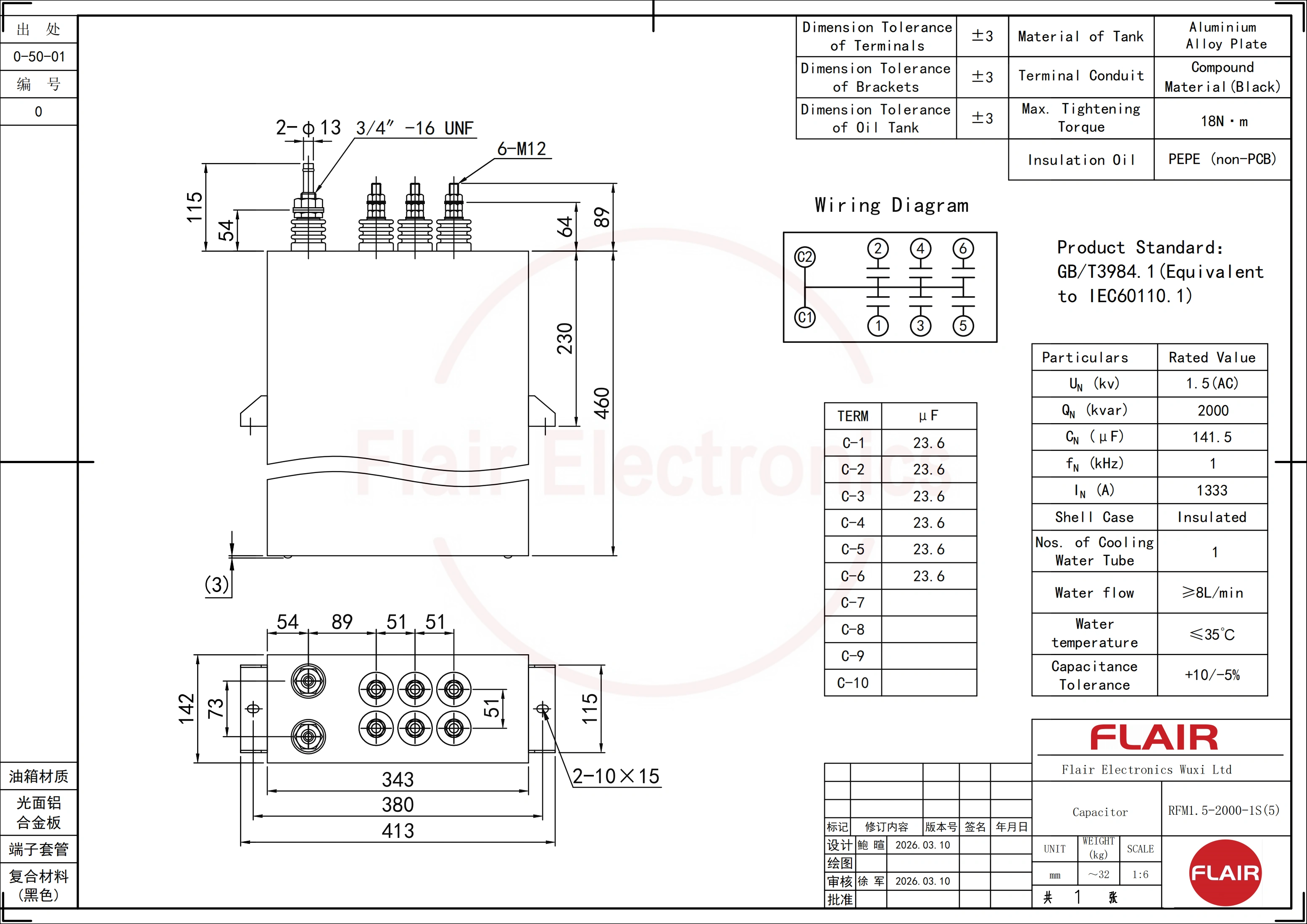 Building Supply
Resonant Tank Capacitor
-
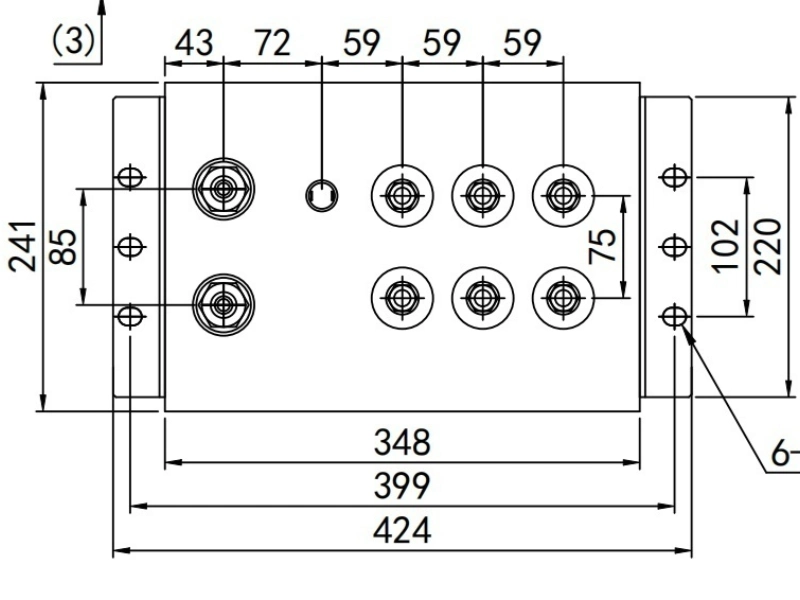 Building Supply
Induction Furnace Capacitor...
-
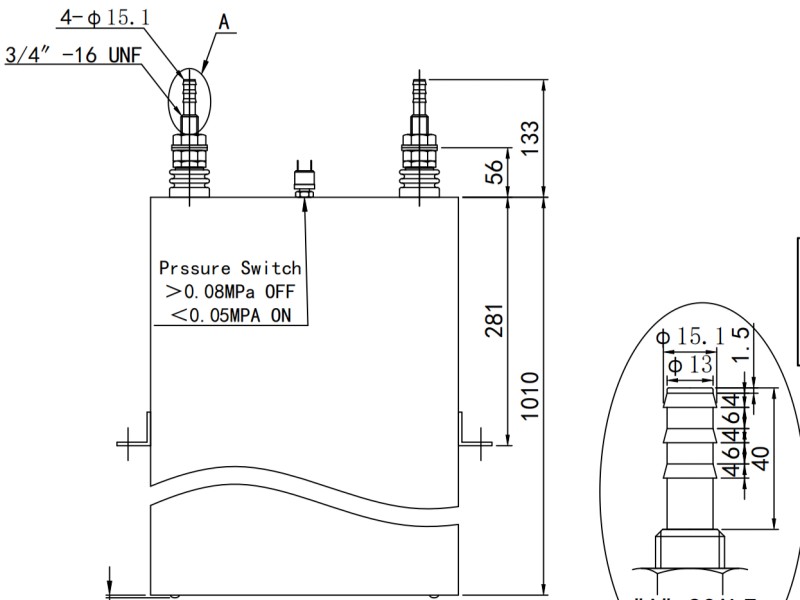 Building Supply
Mid-frequency Induction hea...