


High Energy Pulse Discharge Capacitors - Quality Products from China Suppliers & Factory
General description
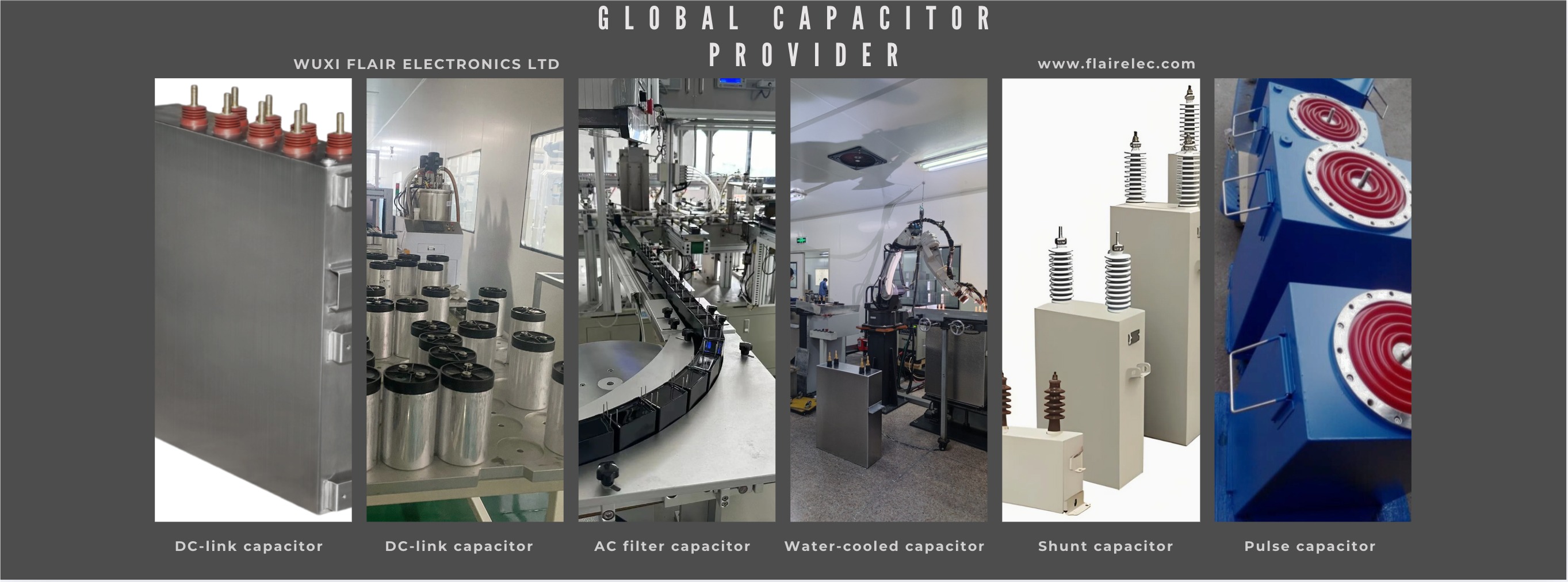
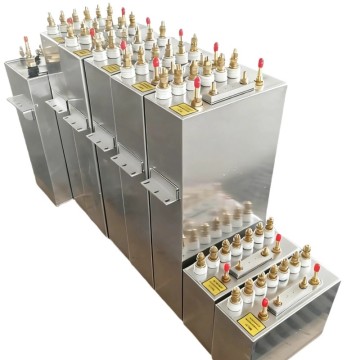
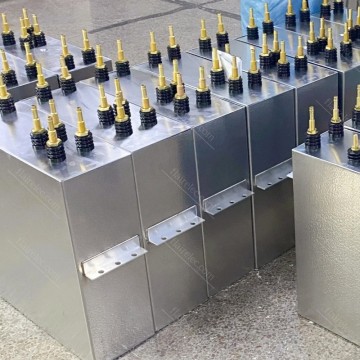
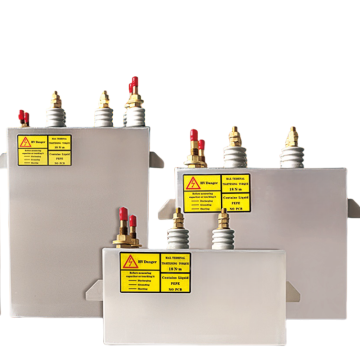
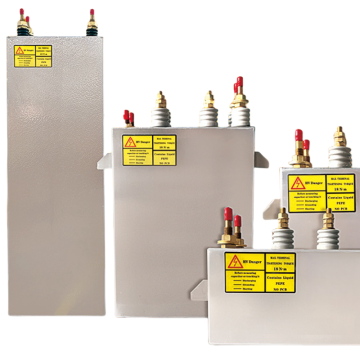
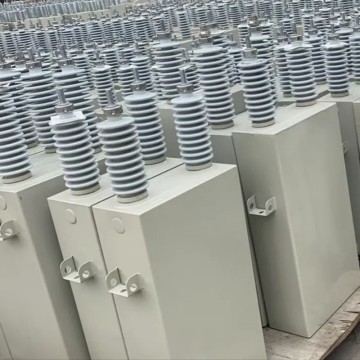
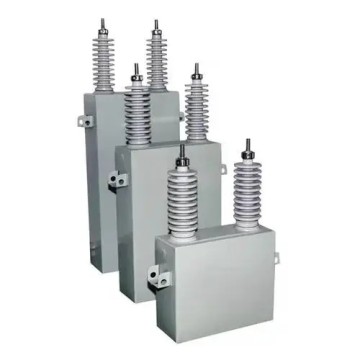
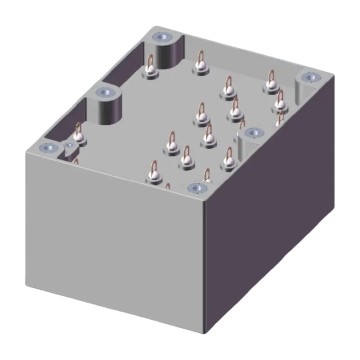
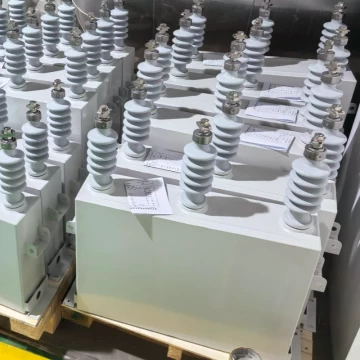
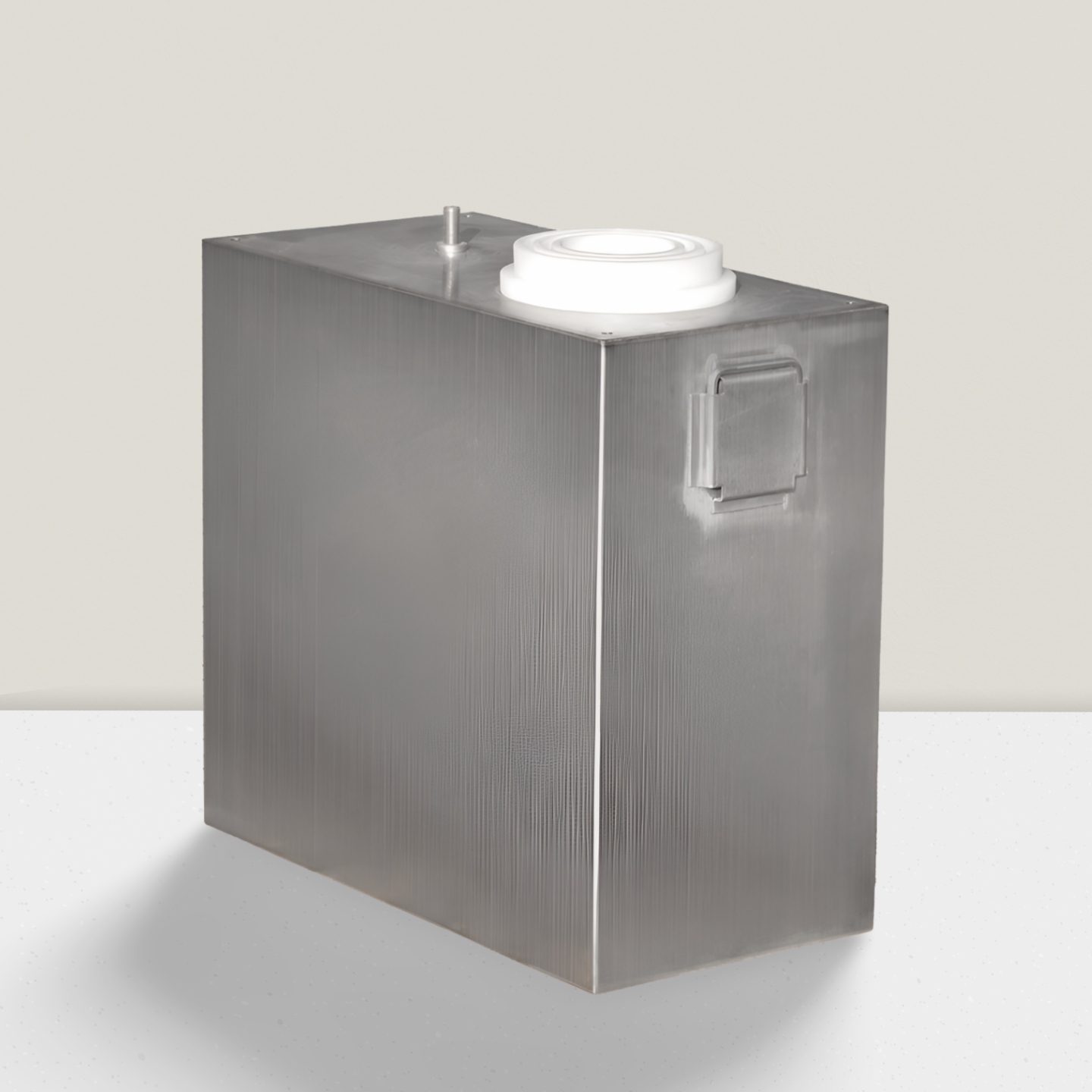
Pulse capacitor is capable of charge storage, and releasing a huge charge in a very short time. Our company can provide oil-immersed foil film type, metallized dry type, plastic case and other types of pulse capacitors for various purposes.
Structure and working principle of pulsed capacitor
Pulse capacitors usually consist of a layer of insulating medium sandwiched between two metallized plates/film. When this capacitor is charged, the charge is stored on the metal plate, and when the charge needs to be released, the capacitor is disconnected through an external circuit, so that the charge is quickly transferred to the other electrode.
Application of the pulsed capacitor
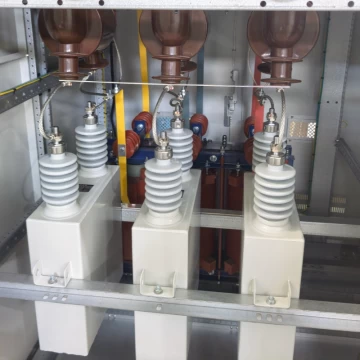
Pulse capacitors are widely used in high voltage, high current, high frequency circuits, such as radar, laser, controlled nuclear fusion, medical imaging, cardiac defibrillator and other fields etc. By controlling the charge and discharge process of the capacitor, a very short pulse signal of high voltage or high current can be generated to realize the function of the corresponding equipment.
Technical Specification
| 1 | Capacitance range(CN): | 1μF ~ 50000μF |
| 2 | Capacitance tolerance: | 0~5% |
| 3 | Rated voltage(UN): | 3kVdc ~ 100kVdc |
| 4 | Time constant(RC): | ≥20,000s |
| 5 | Operating temperature: | -20℃~+65℃ ( ≥85℃ available for sepecial design) |
| 6 | Electrodes test voltage: | 1.0UN ~1.4UN (60s, 20°C±5°C) |
| 7 | Electrode to shell test voltage: | 1.2UN ~1.5UN ((60s, 20°C±5°C) |
Trend of pulse capacitor development
With the continuous progress of science and technology, pulse capacitors are constantly innovated and upgraded to meet the requirements of high performance, high reliability and high repetition frequency in various fields. At present, new pulse capacitors based on MEMS, software control, microstructure and other technologies have emerged, which will bring more opportunities and challenges to various application fields.
Pulsed capacitors, as core components in high voltage, high current, and high frequency circuits, have critical importance in the stability and reliability of overall equipment performance. Currently, the key technologies of pulse capacitors mainly include the selection and preparation of electrode materials, optimization of medium, improvement of capacitor structures, and advancements in packaging technology. By researching and developing these key technologies, the energy density, power density, and service life of pulse capacitors can be further improved, thereby meeting the demands of a wider range of applications.